

Fuel Fraud in 2026: The Silent Leak Draining Fleet Profits
Fuel prices may be grabbing all the headlines in 2026—but for many fleets, the bigger threat isn’t what you’re paying at the pump…
It’s what you don’t even realize you’re paying for.
Fuel fraud has evolved. It’s smarter, faster, and harder to detect than ever before. And in a year where margins are already under pressure, it’s quietly becoming one of the largest uncontrolled expenses in fleet operations.
The New Reality: Fuel Fraud Is No Longer “Small Losses”
There was a time when fuel fraud meant the occasional bad receipt or a driver filling up a personal vehicle.
That’s not what fleets are dealing with anymore.
In 2026, fraud has become:
- More organized
- More digital
- More difficult to trace
Industry estimates suggest fleets can lose anywhere from 5% to over 20% of total fuel spend due to fraud, misuse, and lack of controls.
For a fleet spending:
- $500,000/year on fuel → that’s up to $100,000 lost
- $2M/year on fuel → that’s up to $400,000 lost
And the worst part?
Most fleets don’t even know it’s happening.
How Fuel Fraud Is Actually Happening in 2026
The methods have changed—and they’re getting more sophisticated.
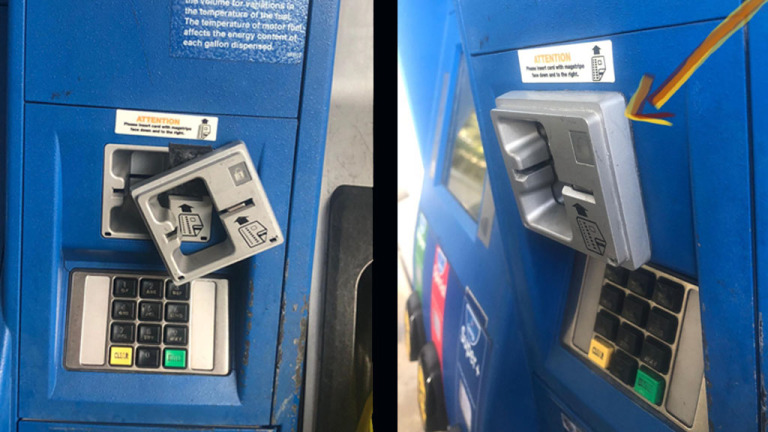
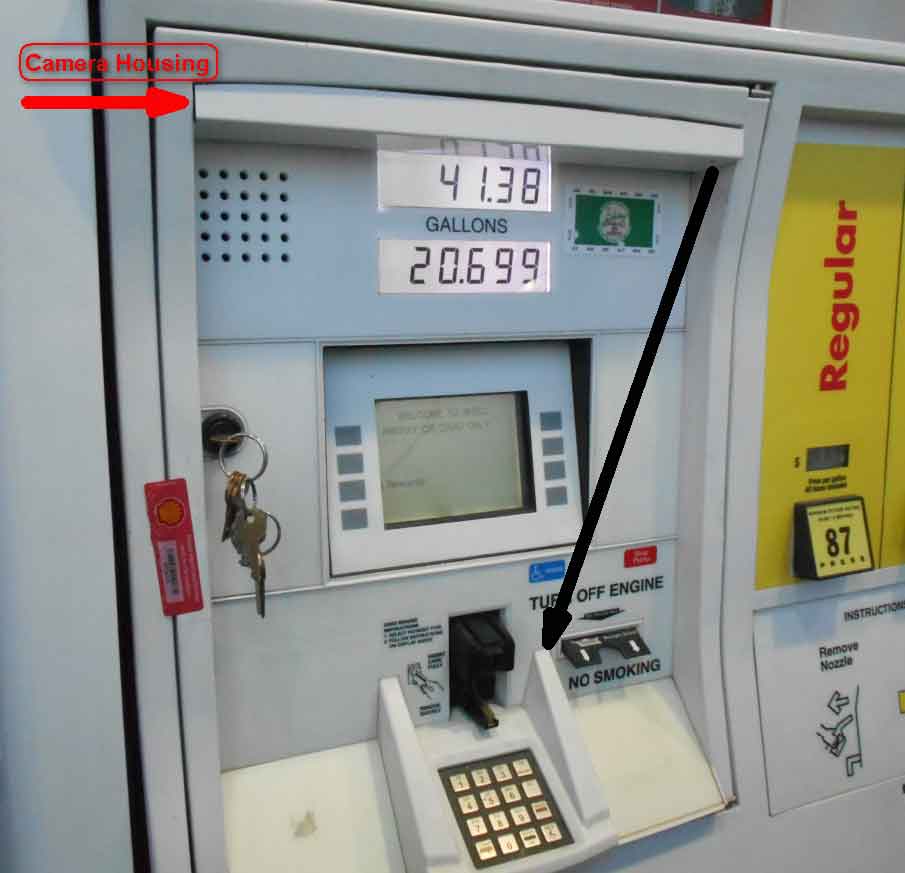
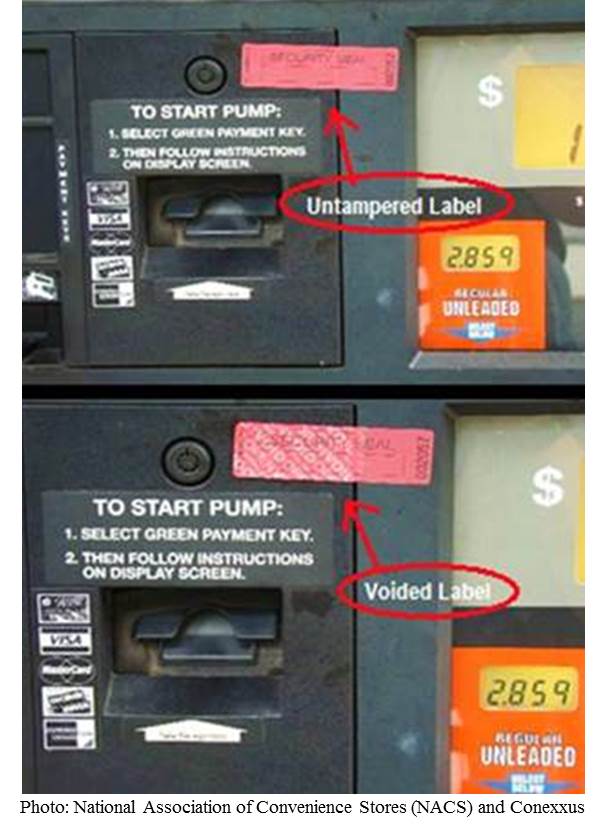
1. Card Cloning & Skimming
4
Fraudsters install skimming devices at pumps to capture fuel card data. Once cloned, cards can be used anywhere—often before the fleet even notices.
Why it’s dangerous:
Transactions look legitimate. Same card, same network—just not your driver.
2. “Phantom Fueling”
This can happen through:
- Compromised stations
- Coordinated fraud
- Manual entry manipulation
Why it’s dangerous:
There’s no physical behavior to track—only data.
3. Driver Collusion & Misuse
Examples:
- Fueling personal vehicles
- Filling external containers
- Splitting transactions with others
Why it’s dangerous:
It blends into “normal” behavior unless you’re actively monitoring it.
4. After-Hours & Location Abuse
Fueling happens:
- Outside of work hours
- Outside of approved locations
- In patterns that don’t match routes
Why it’s dangerous:
Without controls, this looks like standard usage.
Why Fleets Aren’t Catching It
Fuel fraud isn’t just increasing—it’s outpacing how fleets manage fuel.
Here’s where most operations fall short:
❌ Delayed Visibility
Transactions are reviewed:
- Days later
- Sometimes weeks later
By then, the money is gone.
❌ Too Much Trust, Not Enough Control
Many fleets still:
- Allow open fueling
- Don’t tie cards to specific vehicles
- Rely on drivers to “do the right thing”
That worked in the past. It doesn’t hold up in 2026.
❌ Lack of Data Context
Seeing a transaction isn’t the same as understanding it.
Without context like:
- Vehicle location
- Time of day
- Expected fuel capacity
…it’s almost impossible to flag suspicious activity.
The Shift: From Fuel Tracking to Fuel Control
The fleets that are winning in 2026 aren’t just tracking fuel—they’re controlling it.
Because the reality is simple:
👉 You don’t stop fraud by reviewing it later.
👉 You stop fraud by preventing it upfront.
What Effective Fuel Fraud Prevention Looks Like
1. Vehicle-Level Controls
- One card per vehicle
- Fuel type restrictions
- Gallon limits based on tank size
No flexibility = no loopholes.
2. Real-Time Alerts
- Transactions outside business hours
- Fueling outside approved areas
- Unusual gallon amounts
If it looks off, you know immediately—not weeks later.
3. Location-Based Restrictions
- Geofenced fueling
- Approved station networks
- Route-aligned purchasing
Fueling should match operations—not guesswork.
4. Behavioral Monitoring
- Repeated patterns
- Inconsistent usage
- Outlier transactions
Fraud isn’t always obvious—but patterns always are.
Fuel Fraud + High Prices = Compounding Losses
Here’s the part most fleets underestimate:
When fuel prices rise…
👉 Fraud becomes more expensive.
A 10% loss at $3.00/gallon hurts.
A 10% loss at $5.50/gallon?
That’s a completely different problem.
And in 2026, fleets are dealing with both:
- Higher prices
- Higher fraud risk
At the same time.
Final Thought: What You Don’t See Is Costing You the Most
Fuel fraud isn’t loud.
It doesn’t show up as a major breakdown or operational failure.
It’s quiet.
It’s consistent.
And over time—it adds up to one of the biggest leaks in your business.
Bottom Line
In 2026, managing fuel isn’t just about saving money—it’s about protecting it.
The fleets that take control of:
- Where fuel is bought
- How it’s purchased
- Who can use it
…are the ones keeping their margins intact.
Everyone else?
They’re paying for fuel they never even used.